
System Comparison: Modular vs Panelized Prefab Homes
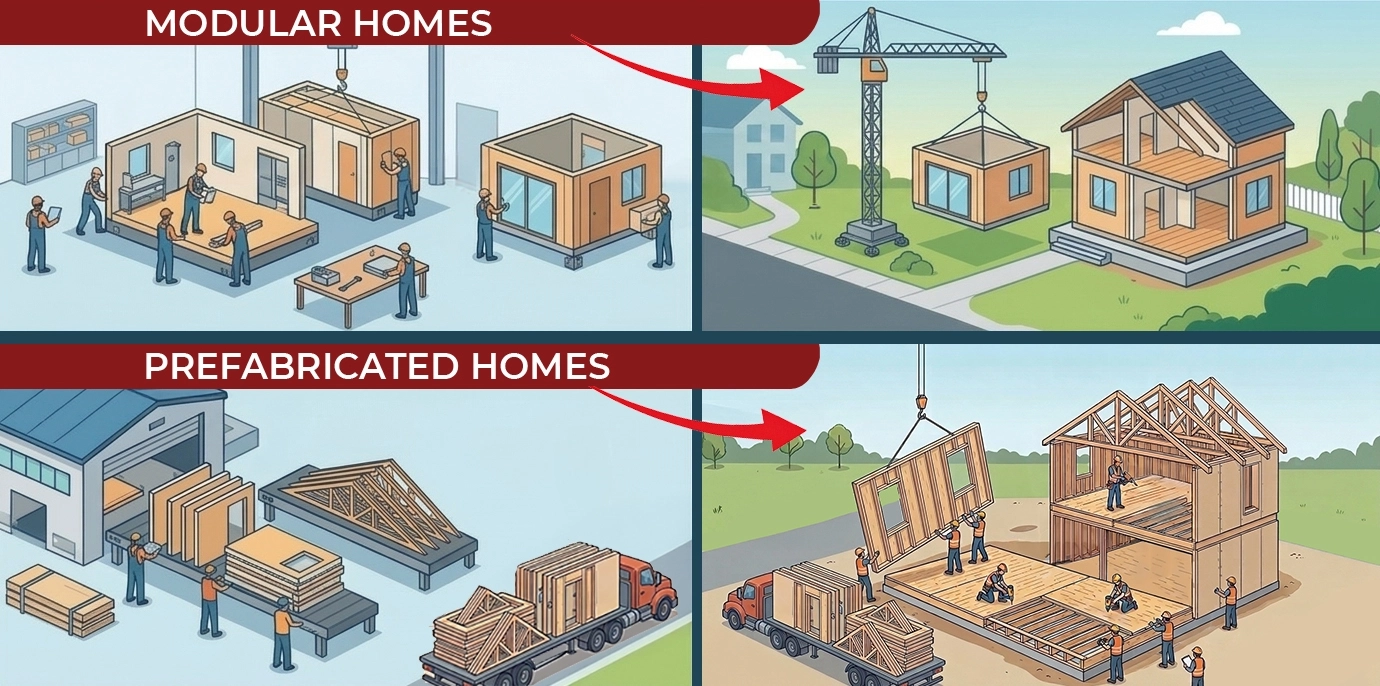
Prefab and modular homes are both factory built construction systems, but they differ in how the structure is manufactured, transported, and assembled. Modular homes are constructed as large three dimensional sections that are mostly finished in a factory and delivered to the building site as completed units. Prefabricated panelized homes use factory built structural components such as wall panels, floor systems, and roof structures that are shipped flat packed and assembled on site to create the structural shell of the home, which is the type of prefabricated building system used by Tamlin. In simple terms, modular homes are delivered as finished modules, while panelized prefab homes are delivered as structural components that are assembled on site.
Modular Homes
- Built as large three-dimensional modules
- Typically, about 90 percent complete before leaving the factory
- Transported as finished units
- Lifted onto the foundation by crane
Prefabricated (Panelized) Homes
- Built as precision factory-made components
- Includes wall panels, floor systems, and roof structures
- Shipped flat packed to the building site
- Assembled on site to create the structural shell to the lock-up stage
- Tamlin specializes in this panelized prefabricated construction system.
Modular Homes: The Volumetric Approach
Modular homes are built using a volumetric construction method, meaning the home is constructed as large three-dimensional sections (modules) that are typically about 90 percent complete before leaving the factory.

Factory Finishing
Modules often arrive on site with electrical wiring, plumbing systems, and even interior finishes such as cabinetry already installed.
Installation
These finished sections are transported to the building site on flatbed trucks and lifted onto a permanent foundation using a crane.

Design Considerations
Because modules must be transported as finished three-dimensional units, their dimensions are limited by highway transportation regulations. These constraints can influence the final layout and architectural design of the home.
Prefabricated Homes: The Panelized Prefab Approach
Panelized prefab homes are a type of prefabricated construction where structural components such as wall panels, floor systems, and roof structures are manufactured in a factory and assembled on site. Rather than delivering finished rooms, panelized construction uses a complete factory-built building system of precision components, which is the comprehensive approach we specialize in at Tamlin.
Instead of transporting empty air inside a finished box, panelized construction focuses on manufacturing precision structural components that form the structural shell of the home. This approach allows for greater design flexibility and easier transportation to remote or difficult building sites.
The System
Our factories produce structural components including wall panels, floor systems, and roof structures in a controlled manufacturing environment.

Flat Pack Shipping
These components are shipped flat packed, making transportation more efficient and allowing delivery to tight urban sites or remote building locations where oversized modular units may be difficult to access.

The Lock-Up Stage
Once delivered, these components are assembled on your foundation by a builder or owner-builder. The process is similar to traditional site-built construction but uses precision manufactured components to bring the home to the lock-up stage faster and more efficiently.

How Prefabricated Home Packages Are Delivered
Because the components are shipped flat packed rather than as finished modules, transportation is more efficient and flexible. This allows delivery to urban infill sites, mountain properties, islands, and remote rural locations where large modular sections would be difficult to transport. Flat packed delivery also allows builders to unload and stage materials in a way that supports the construction process.
Panelized Homes During Construction
Once the components arrive, the home begins to take shape quickly. Builders assemble the wall panels, floor systems, and roof structure, creating the structural shell of the home. Because the components are manufactured with precise dimensions, the structure comes together efficiently and with far less on-site cutting and adjustment.


Precision Timber Components Manufactured in a Factory
Manufacturing key structural components in a controlled factory environment ensures materials stay dry, components remain square and precise, structural connections are accurately fabricated, and quality control is consistent. This level of precision often results in better energy performance and long-term durability.
Interior Structure Before Lock-Up
After the structural system is assembled, windows, doors, and roofing complete the weather-tight building envelope. This stage is commonly referred to as the lock-up stage, meaning the home is protected from the elements and interior construction can continue regardless of weather.

Remote Site Delivery Example
One advantage of prefabricated panelized systems is that they can be delivered to locations where modular construction may not be practical, including remote rural sites or properties with limited access. Flat packed components allow materials to be transported efficiently and unloaded in stages that support the construction process

Why Homeowners Choose the Panelized Method
Architectural Freedom
Unlike modular homes, panelized systems are not limited by the dimensions of large shipping boxes. This allows for vaulted ceilings, open concept floor plans, large windows, and complex rooflines that are difficult to achieve with volumetric modules. You can see examples of these design possibilities in our custom and signature series homes.
Efficiency Without Compromise
Build timelines for panelized homes are typically 20 to 50 percent faster than traditional on-site construction. Because major components are manufactured indoors, projects avoid many weather delays common in traditional construction.
Reduced On-Site Labour
With a pre-engineered building system, construction requires up to 50 percent fewer workers on site. Components arrive ready to assemble, reducing on-site cutting, measuring, and material waste.
Superior Quality Control
Manufacturing structural components in a controlled factory environment ensures consistent quality and tighter construction tolerances.

Explore Prefabricated Homes
If you are researching prefabricated homes and want to see how panelized construction translates into real houses, explore examples of completed Tamlin homes and timber frame projects. These homes demonstrate how prefabricated systems allow for large windows, open living spaces, vaulted ceilings, and custom architectural features.
Frequently Asked Questions About Prefabricated Homes
Is a prefabricated home the same as a mobile home?
No. Prefabricated panelized homes are built on permanent foundations and must meet the same local building codes as traditional site-built homes. They are considered permanent real estate.
How much of the home is built in the factory?
In our panelized system, the structural shell of the home including walls, floors, and roof systems is manufactured in the factory. Interior finishes are typically completed on site, allowing homeowners greater design flexibility.
Can I use my own floor plan for a prefabricated home?
Yes. One of the biggest advantages of panelized construction is design flexibility. Because the system is not limited by shipping container dimensions or highway lane widths, most custom architectural plans can be adapted to our prefabricated system.
What does a lock-up package include?
A lock-up package includes the components required to make the exterior of the home weather-tight. This typically includes the structural frame, exterior walls, roof system, windows, and doors. Once installed, the home is locked up, allowing interior construction to continue regardless of weather.
Are prefabricated homes less expensive than traditional homes?
Material costs are often similar to high-quality traditional construction. However, savings typically come from reduced construction timelines, fewer on-site labour requirements, and lower project carrying costs.
Are prefabricated homes permitted like traditional homes?
Yes. Prefabricated panelized homes are engineered and permitted in the same way as traditional site-built homes. The structural components are designed by licensed engineers for the specific building location and must meet all local building codes.
Because the home is assembled on a permanent foundation and built to the same code requirements, it is considered a conventional residence by municipalities, lenders, and insurance providers.
This also means prefabricated homes typically comply with community architectural guidelines and homeowners association requirements that may restrict modular or manufactured housing.
Still have questions about prefabricated homes? Visit our Prefab Home FAQ to learn more about the building process, shipping logistics, and what’s included in a Tamlin home package
Prefab vs Modular vs Stick-Built Homes: Key Comparison
The table below compares modular homes, panelized prefab homes, and traditional stick built construction across several key building factors.
| Feature | Modular (Volumetric) | Prefabricated (Panelized – Tamlin System) | Traditional Stick Built |
|---|---|---|---|
| Construction Site | 90% Factory / 10% Site | 40% Factory / 60% Site | 0% Factory / 100% Site |
| Design Flexibility | Limited by transport | High / Fully Custom | High / Fully Custom |
| Speed to Lock Up | Very Fast | 20 to 50% Faster¹ | Standard Timeline |
| Shipping Method | Large 3D Sections | Flat Packed Components | Raw Materials |
| On Site Labour | Minimal | Reduced by up to 50%² | Labour Intensive |
Sources & Technical Data: ¹ According to the
Is a Prefabricated System Right for You?
At Tamlin, we help homeowners bridge the gap between custom architectural design and factory-built efficiency. Our prefabricated system delivers a complete structural shell to your building site, ready to be assembled to the lock-up stage, allowing your builder to complete the home faster while maintaining the craftsmanship of traditional construction.
If you would like to learn more about how our prefabricated home system works, contact our team and we would be happy to answer your questions about plans, pricing, and shipping.
Blog
From Site Access Planning to Fast Framing: Delivering a Washington State Custom Home Package
A custom home build starts long before the first wall goes up on site. It starts with the property itself. The site plan needs to consider where the house will sit, how the home package will reach the property, where it will be unloaded, and how materials will be...
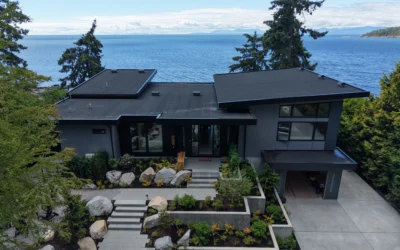
Sunshine Coast Waterfront Custom Home Nears Completion
When we first shared this Sunshine Coast project, it was still in the early stages of construction. This custom waterfront home was beginning to take shape for returning Tamlin clients who had previously built with us on Gambier Island.

The Scandi Modern Series: 3 Design-Ready Prefab Home Packages
What began as a single architectural sketch evolved into three fully realized prefab home designs, each engineered for Tamlin’s panelized building system.