PROJECT SHOWCASE
Georgia Straight – Sechelt
- Sq ft: 1,919
- Bedrooms: 2
- Bathrooms: 2.5
INTERESTED IN THIS BUILD?
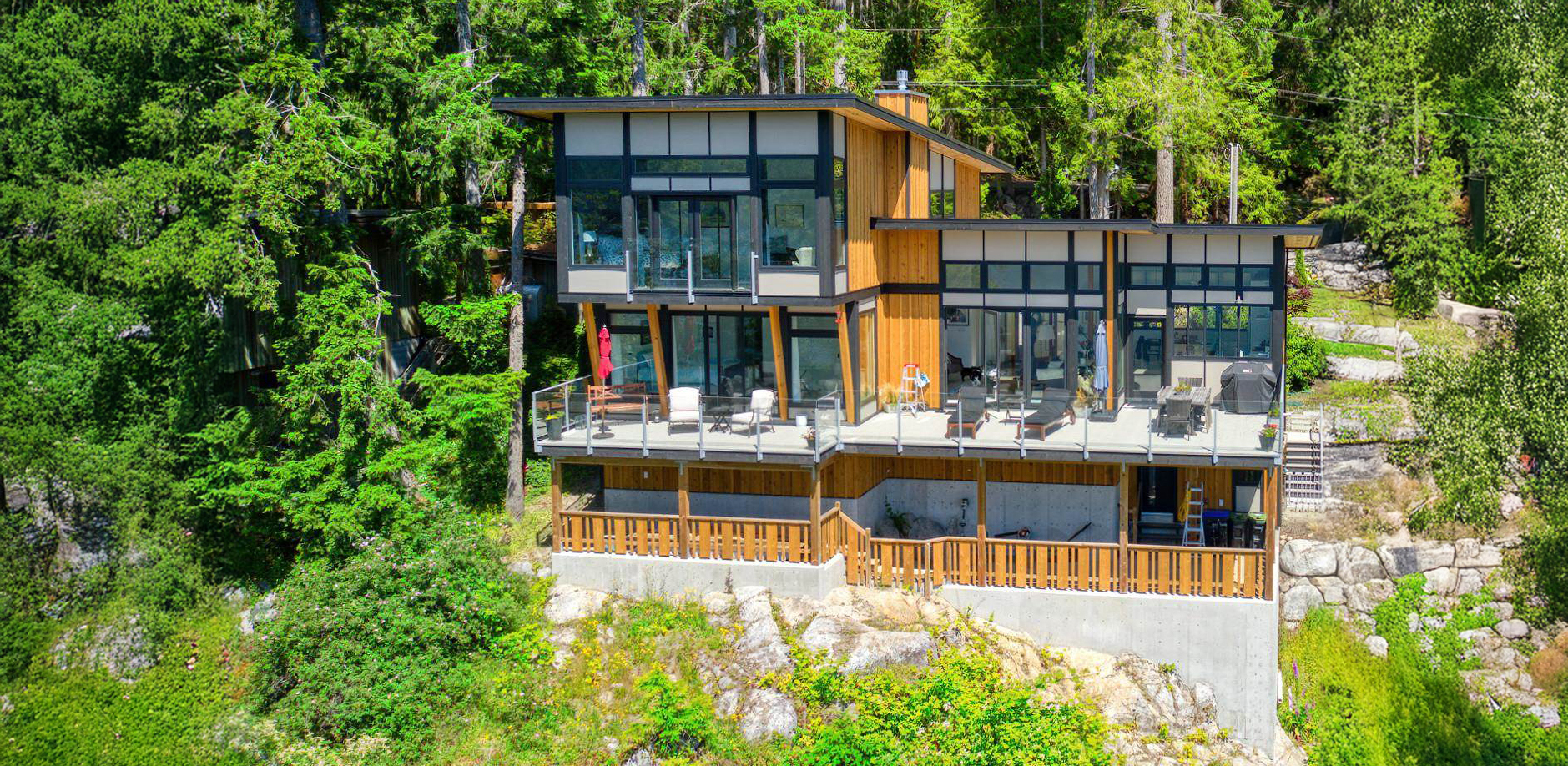
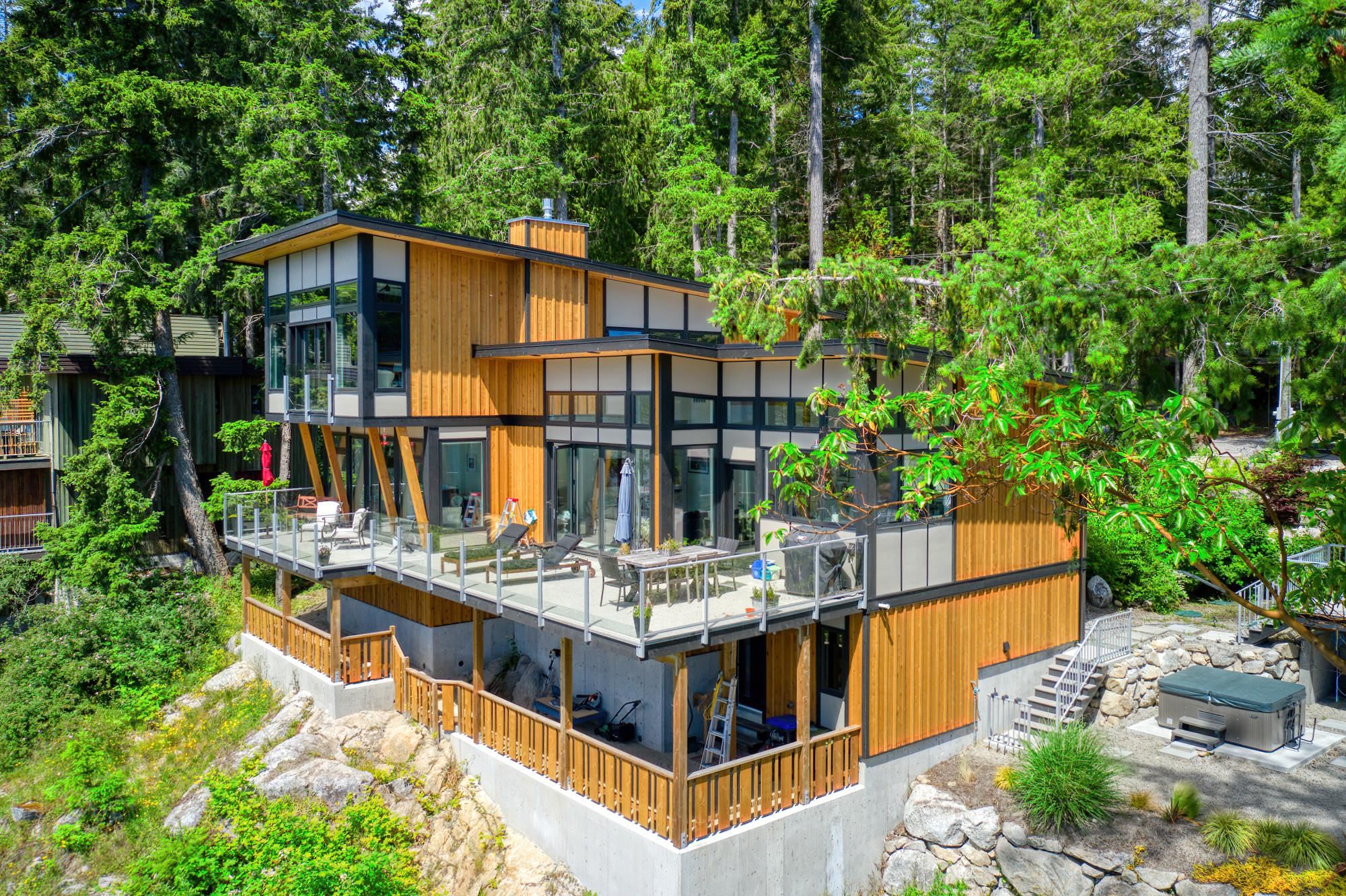
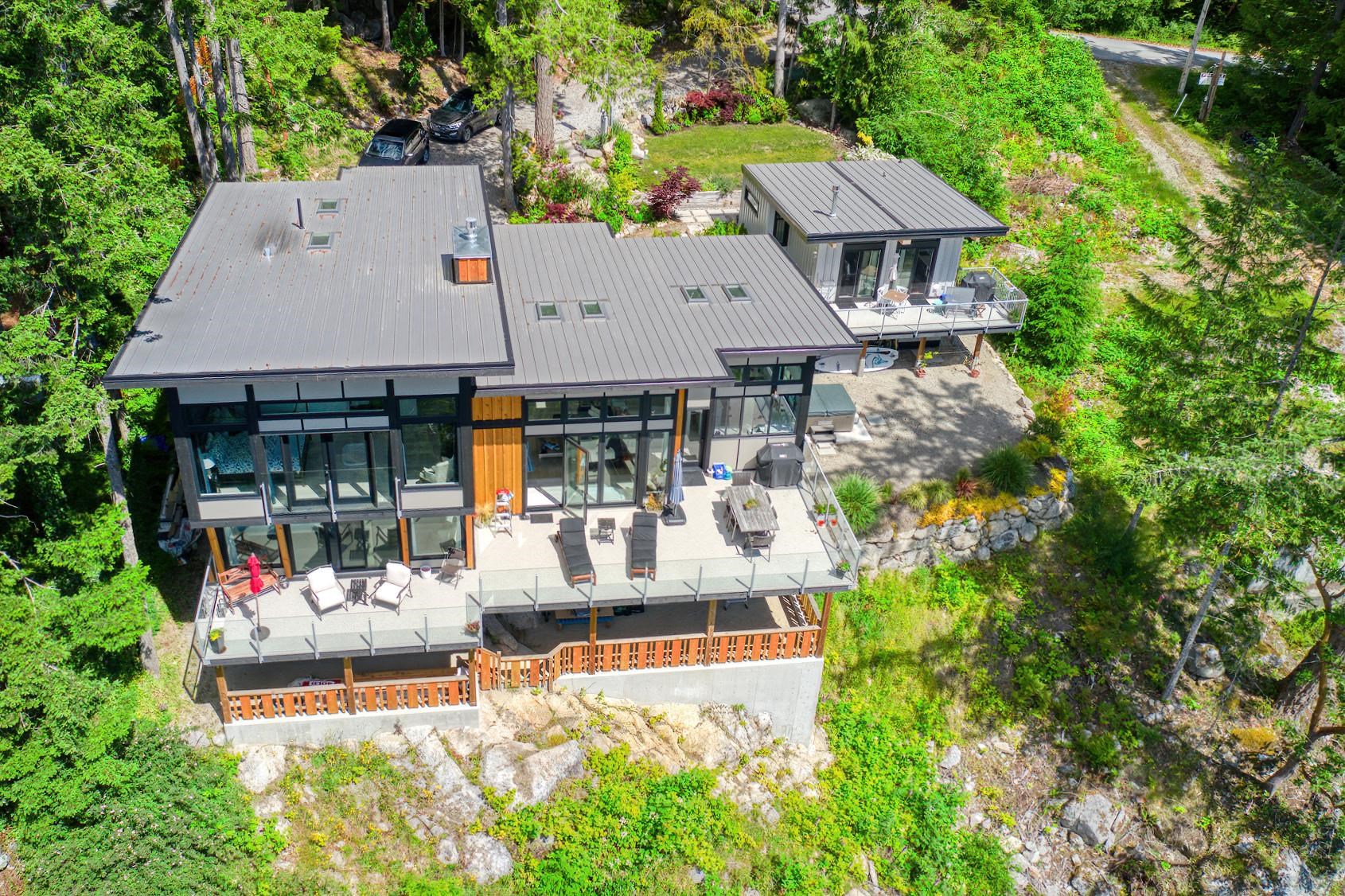
Located on the Sunshine Coast, this Georgia Strait project in Sechelt is designed to take full advantage of a sloped waterfront site overlooking the Strait of Georgia. Rather than blending into the landscape, the home establishes a strong architectural presence, positioned to fully engage with expansive views and the dramatic coastal setting.
Read More
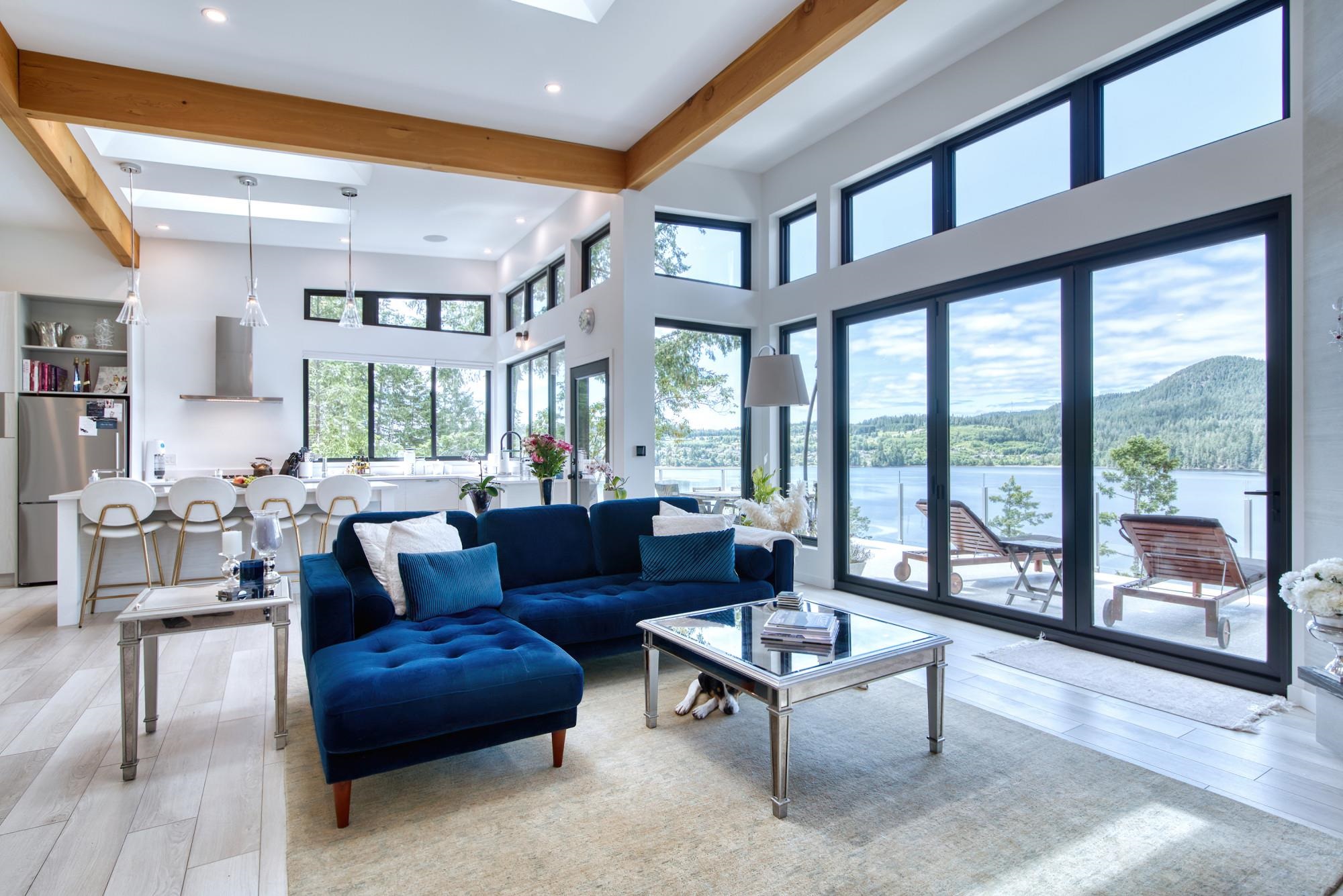
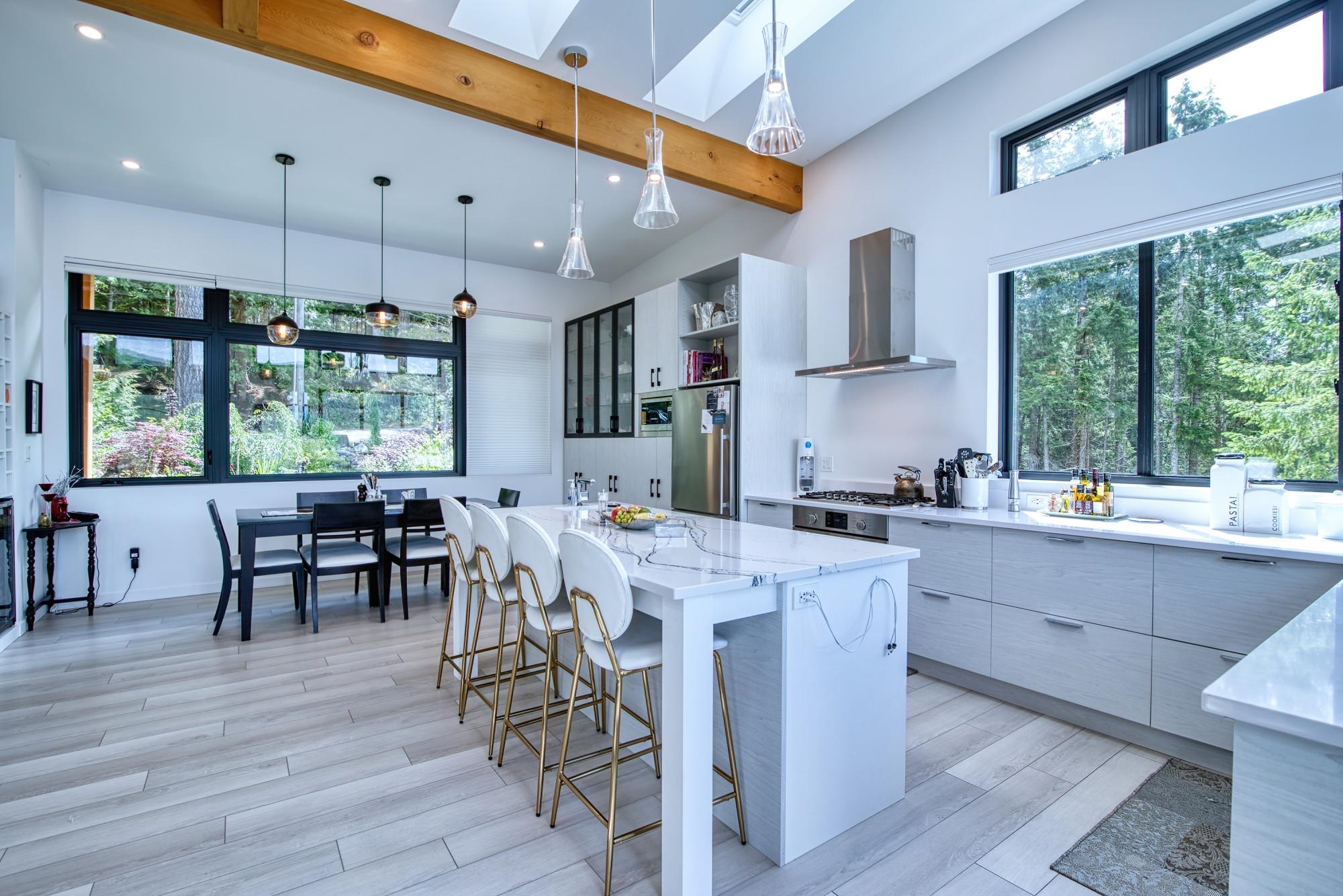
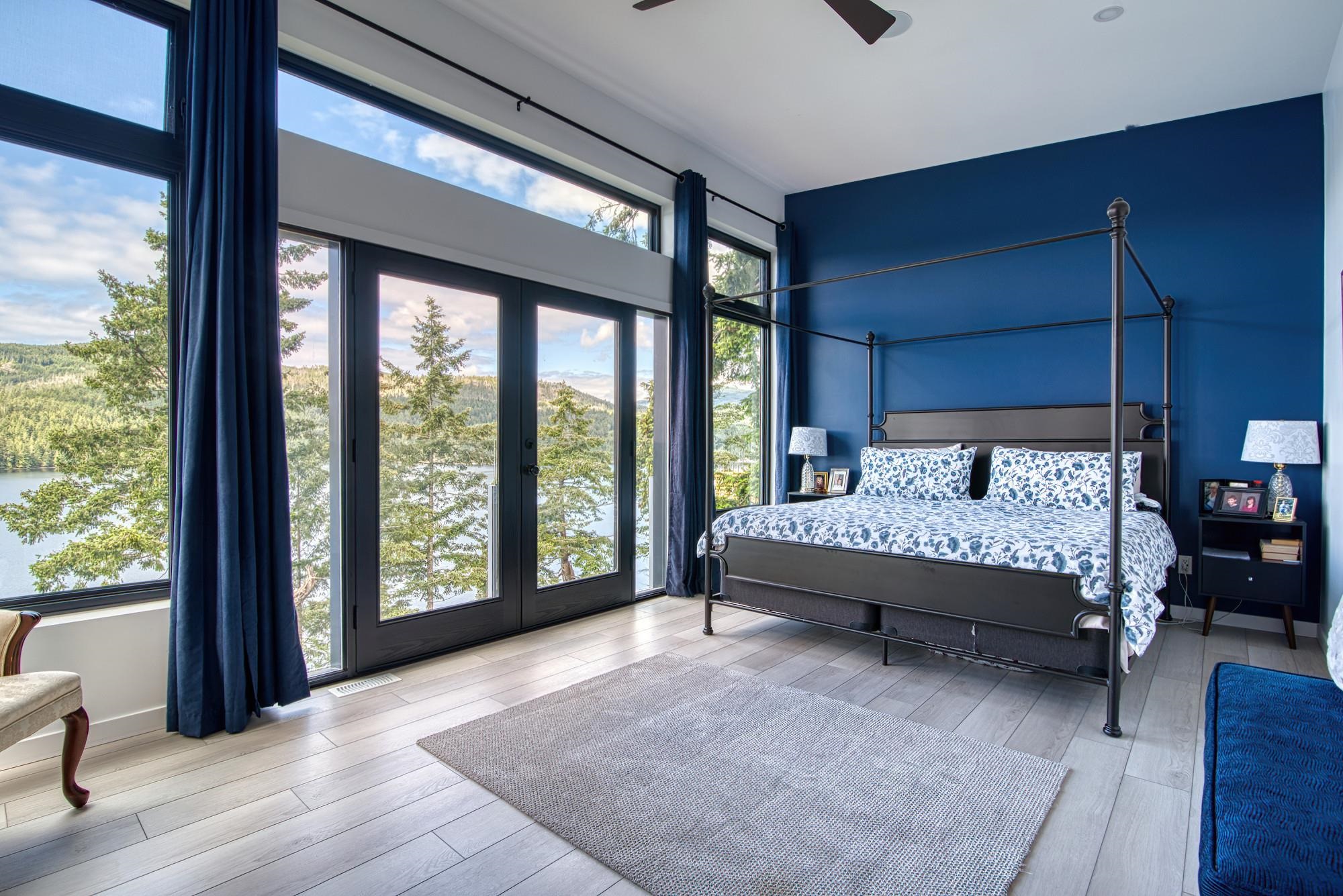
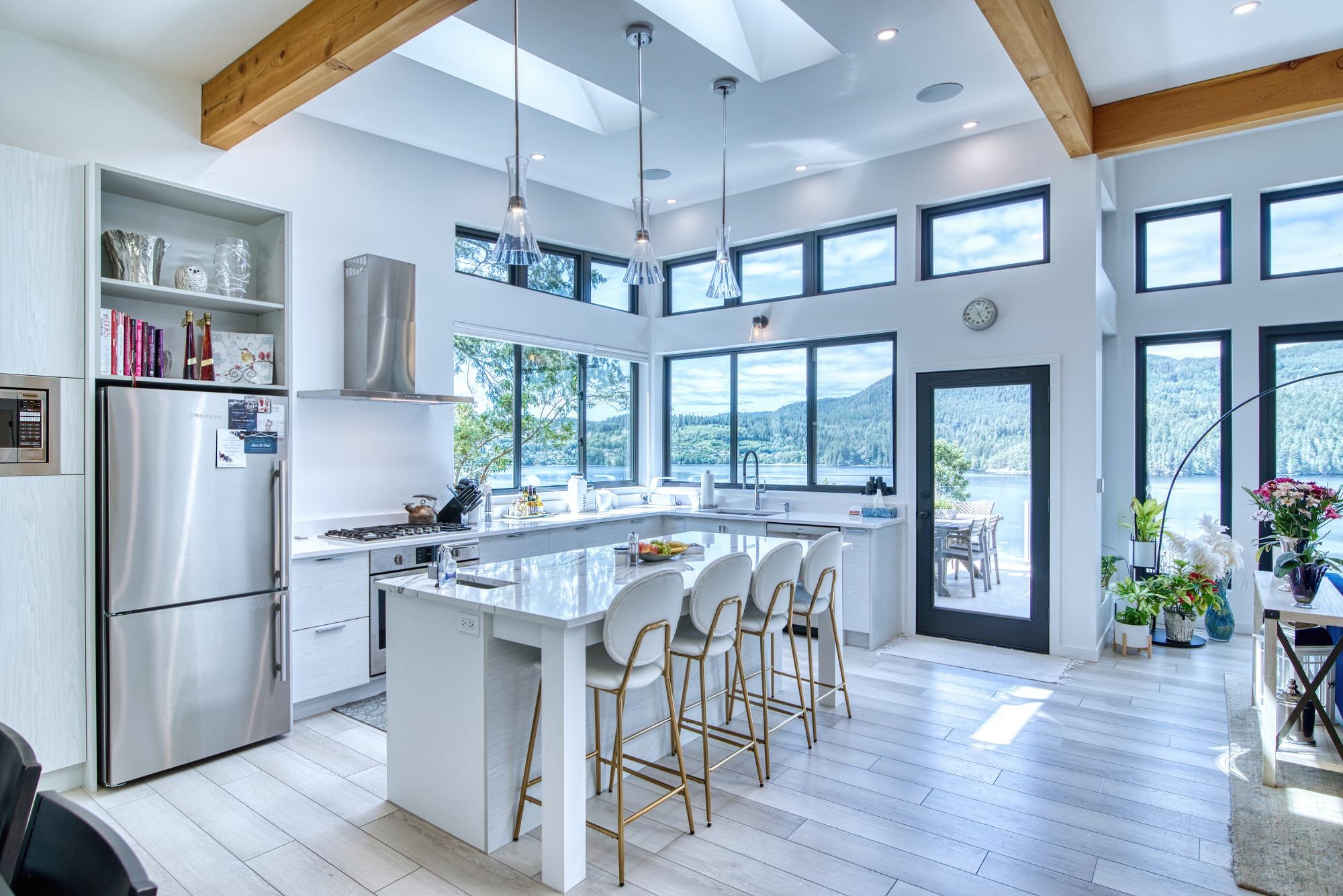
The design balances exposed Douglas Fir timber structure with a clean and contemporary aesthetic, creating a home that feels both grounded and defined. Large windows and elevated ceiling heights bring natural light deep into the interior, while framing panoramic views of the water and surrounding terrain. Generous outdoor deck spaces extend the living area, supporting a seamless relationship between interior and exterior spaces.
Like many Georgia Strait designs, the home incorporates a second level for bedrooms and private spaces, allowing the main floor to remain open and oriented toward the view. This vertical organization reinforces both the architectural clarity of the design and the overall livability of the home.
During construction, the rocky site conditions introduced unforeseen challenges that required adjustments to the foundation design. Tamlin remained actively involved throughout the process, working closely with the builder, engineer, and homeowner to ensure the best possible outcome. This level of ongoing support extends beyond the delivery of the home package, allowing the design to adapt as needed while maintaining its integrity. The foundation was ultimately reworked to respond to the terrain, resulting in the addition of a large crawl space that provides valuable storage while improving how the home sits within the site.
The Efficiency of Prefabrication
Building on a sloped coastal site with complex ground conditions requires flexibility and precision. For this project, Tamlin’s panelized system allowed structural components to be manufactured in advance and delivered ready for assembly, supporting efficient construction even as site conditions evolved.
By reducing time on site and improving coordination between design and construction, the home could be adapted to the changing foundation requirements without compromising the overall design. This approach is particularly effective in coastal environments, where site variability and weather exposure can significantly impact traditional construction timelines.