
CUSTOM SERIES
Harrison Mills
- Sq ft: 2,773
- Bedrooms: 3+
- Bathrooms: 2.5
INTERESTED IN THIS BUILD?
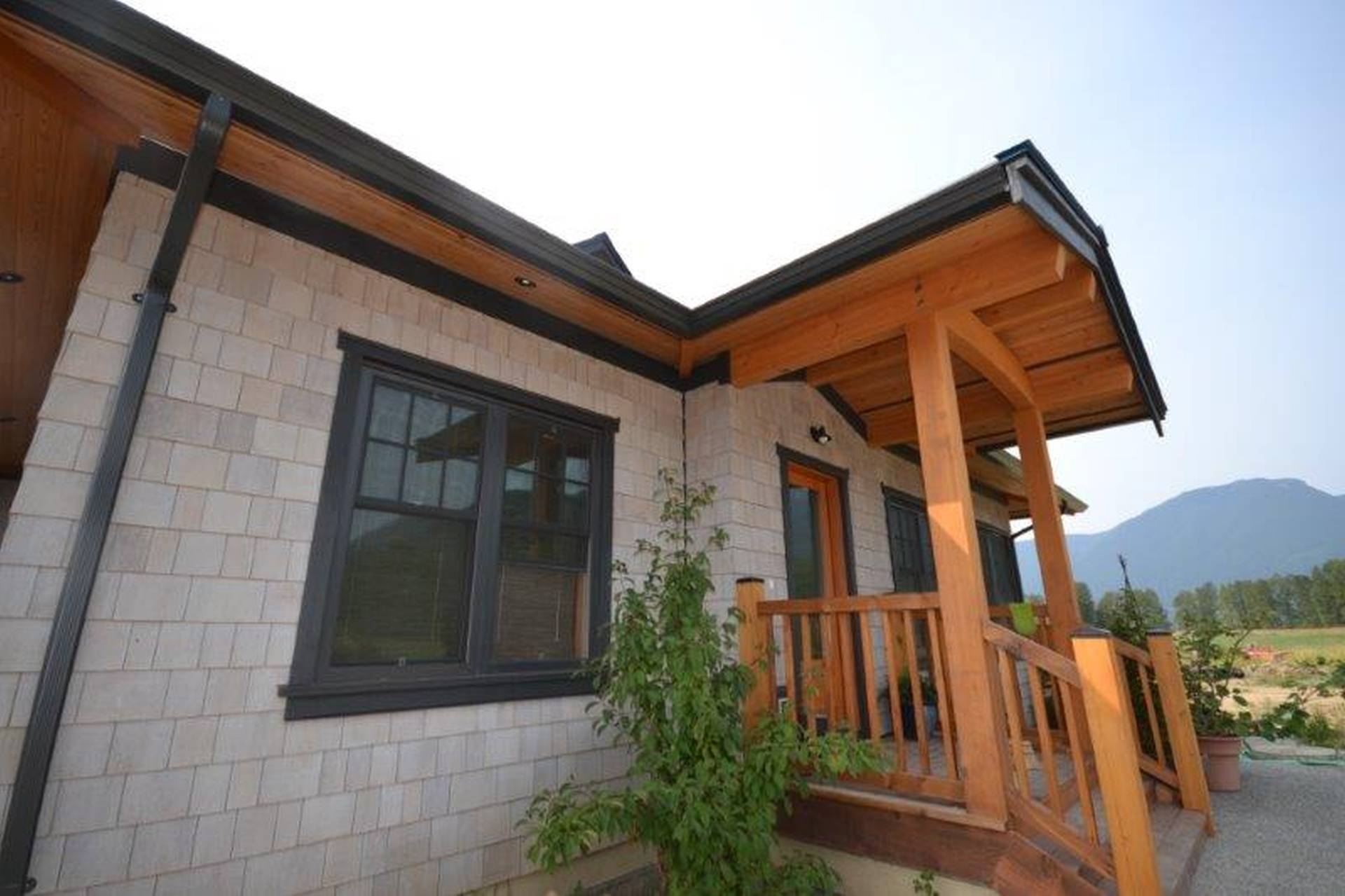
This Harrison Mills project is designed to sit comfortably within its rural setting, with distant mountain views providing a broader sense of context. The home maintains a restrained and grounded exterior presence, allowing the surrounding landscape to remain the focus while establishing a quiet architectural identity.
Read More
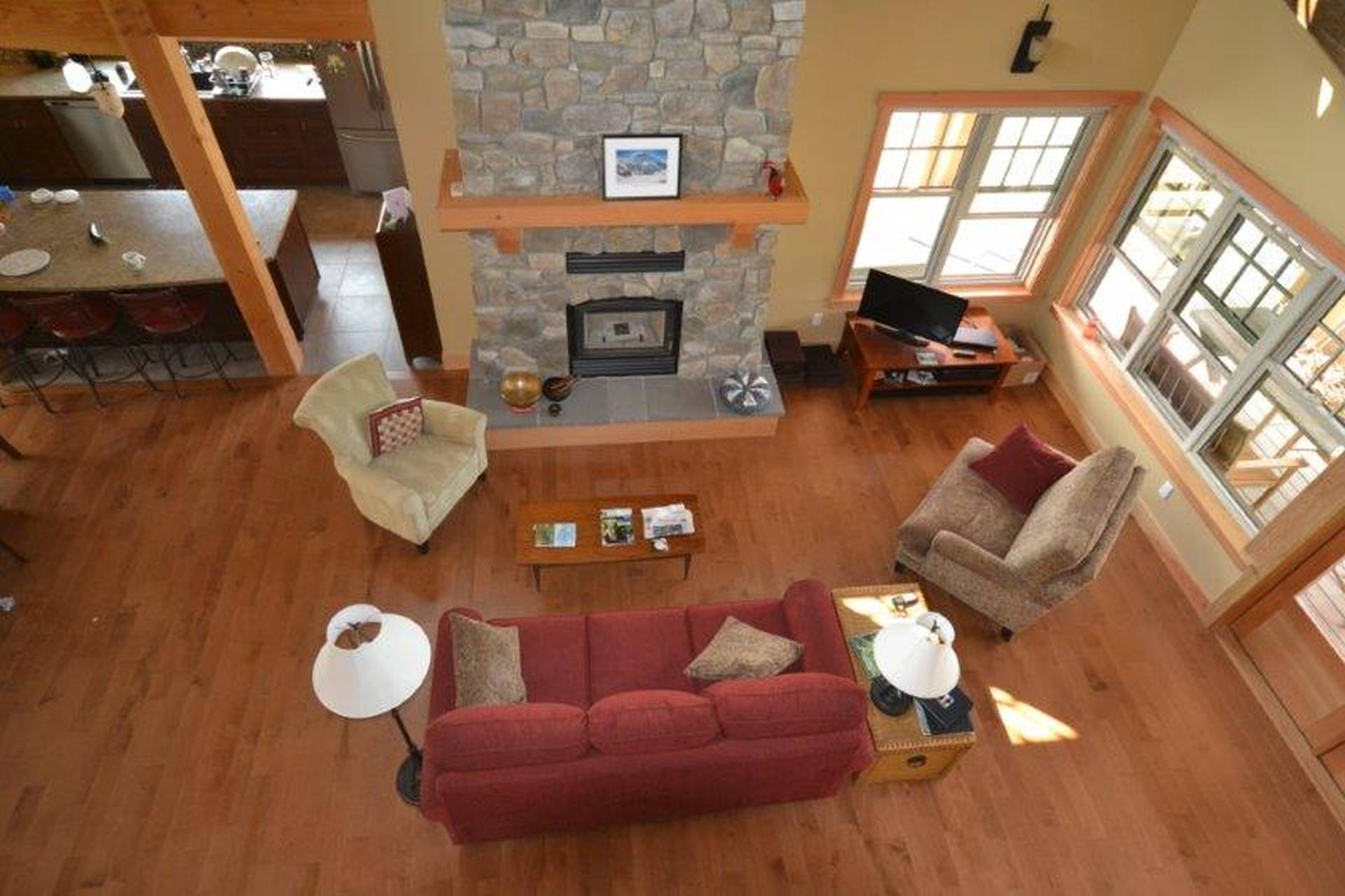
The exterior is defined by a shingled finish that reinforces a refined coastal character, contrasted by a rustic stone chimney that anchors the composition. This interplay of materials introduces depth and texture, giving the home a sense of permanence while maintaining a balanced and understated expression.
Inside, the scale of the home is revealed. The great room is defined by a double-height vaulted ceiling clad in wood, creating a space that feels both expansive and warm. A loft overlooks the great room, establishing a visual connection between levels and reinforcing the sense of volume and vertical movement within the home. Floor to ceiling glazing brings natural light deep into the interior while maintaining a strong connection to the surrounding landscape.
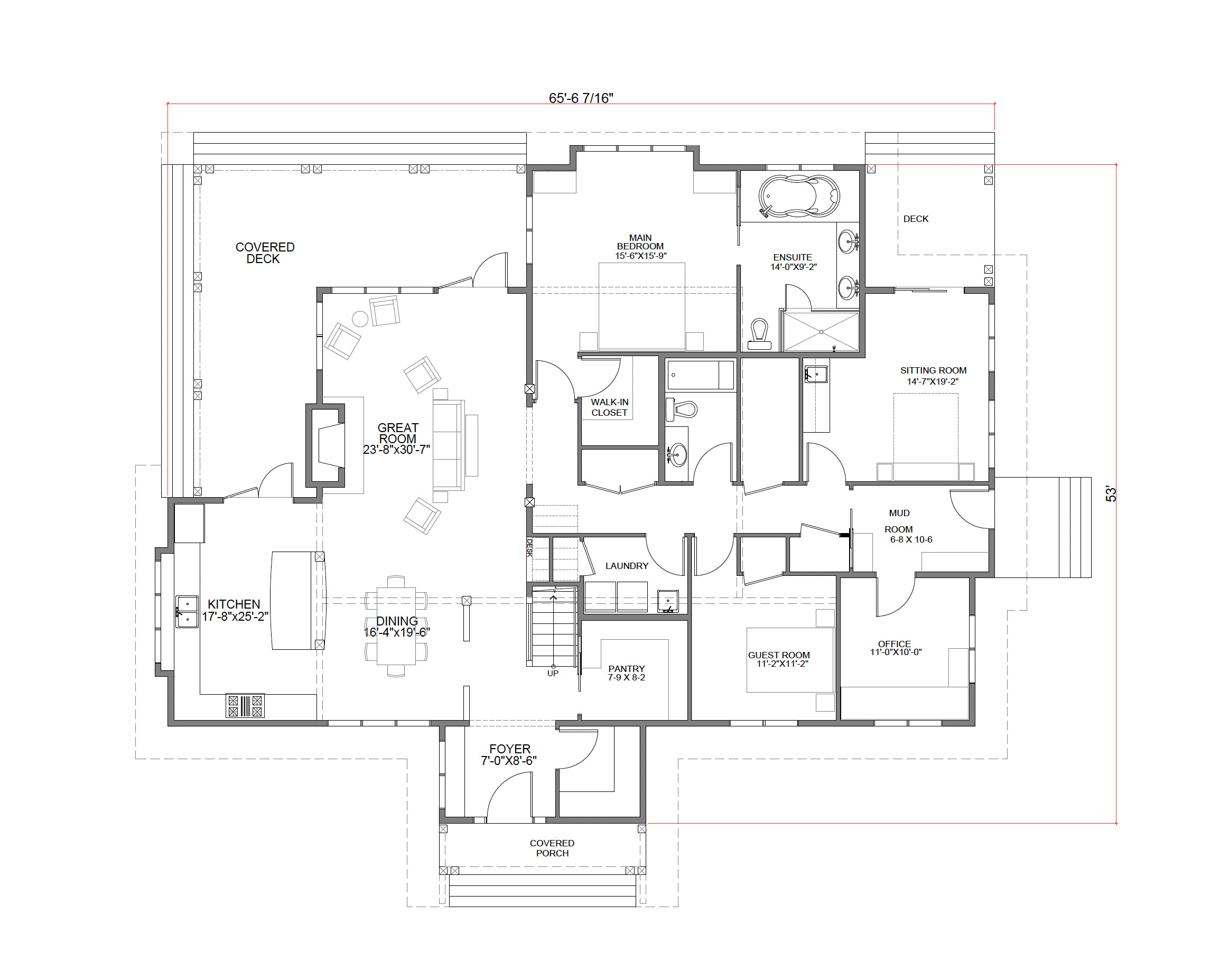
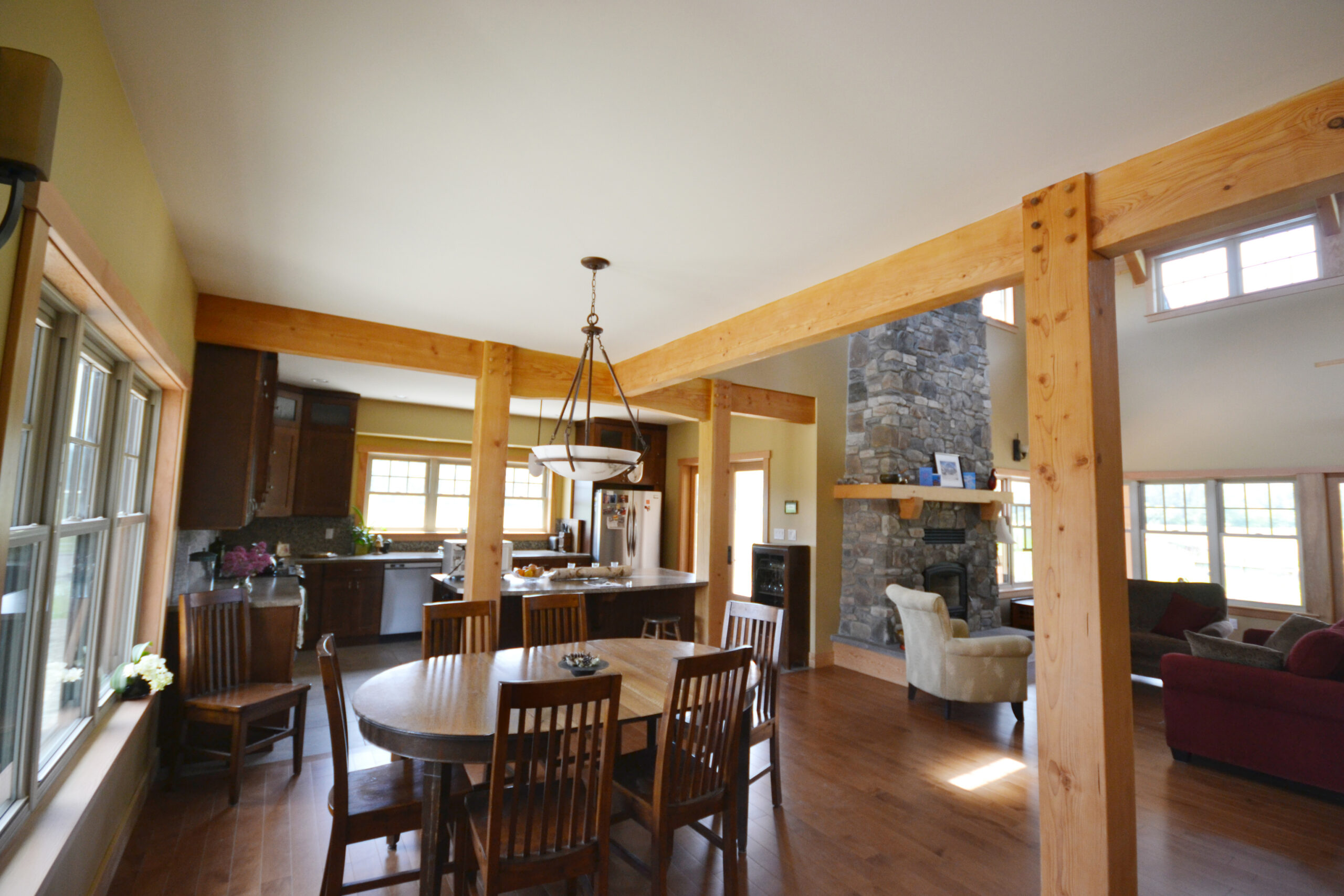
The layout supports a relaxed West Coast lifestyle, with a natural flow between the kitchen, living areas, and outdoor spaces. Exposed Douglas Fir timber structure and natural stone elements ground the interior, creating a cohesive material palette that connects the home to its environment while supporting long term durability.
Outdoor areas extend the living space into the site, supporting a seamless relationship between interior and exterior use throughout the year. These spaces reinforce the home’s connection to the landscape, allowing it to be experienced in different ways across seasons and conditions.
The Efficiency of Prefabrication
The Harrison Mills home combines a double height great room, an overlooking loft and an extensive exposed Douglas Fir timber structure. Tamlin’s prefabricated system allowed the timber frame and panelized components surrounding this large interior volume to be coordinated before manufacturing and delivered ready for assembly.
This advance planning helped maintain the alignment of the visible structural elements while reducing the amount of adjustment required during construction. The result is a more organized building process that supports both the architectural scale of the home and the level of finish expected in its central living spaces.





Download all of our current home plans in one convenient document